
How to Receive Remote Job Payments in Tanzania — M-Pesa, Wise, and Payoneer Explained
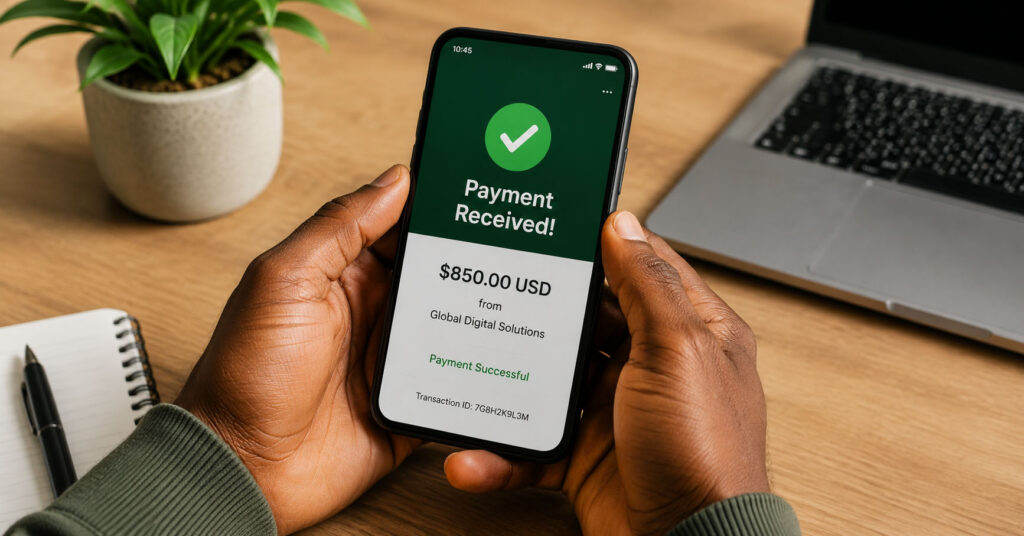
You landed a remote job or your first freelance client. You did the work. Now comes the question that stops most Tanzanians cold:
“How do I actually get my money?”
It sounds simple. It is not. Tanzania sits outside the mainstream international payment infrastructure that most Western employers and freelance platforms were built around. PayPal does not work properly here. Many platforms assume you have a US or European bank account. And nobody — not your employer, not the platform, not any guide written by someone in America — will walk you through exactly what happens when that payment needs to land in Dar es Salaam, Arusha, Dodoma, or any other part of Tanzania.
This article does exactly that. Honestly, specifically, and practically — for Tanzanians in 2026.
Why Getting Paid Internationally Is Complicated in Tanzania
Before jumping into solutions it helps to understand why the problem exists in the first place.
Most international payment systems were built around the banking infrastructure of the United States, Europe, and a handful of other developed economies. When a company in America wants to pay a freelancer, their system is designed to send money to American bank accounts, PayPal accounts, or payment processors that operate smoothly in developed markets.
Tanzania — like most African countries — was not a primary consideration when these systems were designed. This means:
- PayPal has severe limitations for Tanzanian users
- Many payment processors do not support Tanzanian Shillings directly
- International wire transfers to Tanzanian banks are possible but expensive
- Mobile money — which is how most Tanzanians handle daily transactions — is not directly connected to international payment rails
The good news is that in 2026 this landscape has improved dramatically. There are now several reliable, affordable, and genuinely accessible ways for Tanzanians to receive international payments. You just need to know which ones to use and how to set them up correctly.
The Payment Journey — How It Actually Works
Here is something important to understand before we look at specific tools:
For most Tanzanians receiving international payments the money does not go directly from the foreign employer into your M-Pesa wallet or Tanzanian bank account in one step. It typically travels through two or three stages:
Stage 1 — International Receipt The foreign employer or platform sends money to an internationally accessible account — usually Wise or Payoneer.
Stage 2 — Local Transfer You transfer money from your Wise or Payoneer account to your Tanzanian bank account — CRDB, NMB, Equity Bank, or similar.
Stage 3 — Mobile Money (Optional) From your Tanzanian bank account you move money to M-Pesa or Airtel Money for everyday spending.
Understanding this journey helps you set up the right accounts at each stage and avoid the frustration of trying to skip steps that cannot be skipped.
Option 1: Wise — The Best Overall Option for Most Tanzanians
What Is Wise?
Wise — formerly known as TransferWise — is an international financial technology company that specializes in low-cost international money transfers and multi-currency accounts. It is used by millions of freelancers and remote workers worldwide and has become one of the most trusted tools for Tanzanians earning income from abroad.
How It Works for Tanzanians
When you create a Wise account you get what is called a virtual multi-currency account. This gives you real bank account details in multiple currencies — including US Dollars, Euros, British Pounds, and Australian Dollars.
When a foreign employer needs to pay you — you give them your Wise USD account details. To them it looks exactly like paying an American bank account. The money arrives in your Wise account in dollars. You then convert it to Tanzanian Shillings at the real mid-market exchange rate and transfer it to your Tanzanian bank account.
Why Wise Stands Out
The exchange rate is genuinely fair. Most banks and money transfer services make significant profit on currency conversion by giving you a worse exchange rate than the actual market rate. Wise uses the real mid-market rate — the same rate you see on Google when you search the exchange rate. This difference adds up significantly over time especially if you are receiving regular payments.
The fees are transparent and low. Wise charges between 0.4% and 1.5% depending on the currency and amount. They show you exactly what you will pay before you confirm any transaction. There are no hidden fees and no unpleasant surprises when the money arrives.
It works with Tanzanian banks. Wise supports direct transfers to Tanzanian bank accounts including CRDB, NMB, Equity Bank, and Stanbic. The transfer usually takes one to three business days to arrive in your local account.
It is trusted globally. Wise is regulated in multiple countries including the UK, US, and European Union. It is not a startup experiment — it is a well-established financial institution used by millions of people worldwide.
How to Sign Up
Visit wise.com on your phone or computer. Click “Register” and create a personal account using your email address. You will need to verify your identity by uploading a photo of your national ID or passport. The verification process usually takes a few hours to one business day. Once verified your multi-currency account details are available immediately.
Honest Limitations
Wise does not currently support direct withdrawal to M-Pesa in Tanzania. You will need a Tanzanian bank account as the intermediate step. If you do not have a bank account — opening one at CRDB or NMB is straightforward and should be your first step before setting up Wise.
Best for: Freelancers and remote workers receiving direct payments from foreign employers or international clients. Excellent for anyone who wants the best possible exchange rate.
Option 2: Payoneer — The Best Option for Freelance Platforms
What Is Payoneer?
Payoneer is a global payment platform specifically designed for freelancers, remote workers, and businesses that operate across borders. It is the official payment partner of several of the world’s largest freelance platforms including Upwork, Fiverr, Airbnb, Amazon, and many others.
How It Works for Tanzanians
When you sign up for Upwork or Fiverr, Payoneer is one of the primary withdrawal options available directly within the platform. You create a free Payoneer account, connect it to your freelance profile, and your earnings flow automatically into your Payoneer account after each completed job.
From Payoneer you can transfer money directly to your Tanzanian bank account in Tanzanian Shillings. The transfer typically takes two to five business days to arrive in your local bank account.
Why Payoneer Works Well in Tanzania
It is directly integrated with major freelance platforms. When you work on Upwork or Fiverr the withdrawal process to Payoneer is built directly into the platform. There is no complicated setup — you simply connect your accounts and the money flows automatically.
It works in Tanzania. Payoneer officially supports Tanzania and processes withdrawals to Tanzanian bank accounts reliably. This is confirmed and consistent — not a workaround.
It accepts payments from multiple sources. Beyond freelance platforms, clients can also pay you directly through Payoneer if they have an account — making it useful beyond just Upwork and Fiverr.
It offers a Mastercard debit card. Payoneer provides a prepaid Mastercard that you can use for online purchases or ATM withdrawals where Mastercard is accepted.
Fees to Expect
Payoneer charges approximately 2% for currency conversion and a small fee for bank withdrawals to Tanzania — typically around $1.50 to $3 per withdrawal depending on the amount. These fees are higher than Wise but the convenience of direct platform integration makes it worthwhile for most freelancers.
How to Sign Up
Visit payoneer.com and click “Sign Up.” Complete your personal details using your Tanzanian national ID or passport for verification. Add your Tanzanian bank account details for withdrawals. Approval typically takes one to three business days. Once approved you can immediately connect your account to Upwork, Fiverr, or other supported platforms.
Honest Limitations
Payoneer’s exchange rates and fees are slightly less favorable than Wise. If you are receiving large amounts regularly the difference in fees between Payoneer and Wise becomes meaningful over time. For small to medium freelance earnings the convenience outweighs the fee difference.
Best for: Anyone working on Upwork, Fiverr, or other freelance platforms that support Payoneer as a direct withdrawal option.
Option 3: M-Pesa — The Final Step, Not the First
The Honest Truth About M-Pesa for International Payments
M-Pesa is Tanzania’s most widely used mobile money platform operated by Vodacom. Almost every Tanzanian with a phone uses it for daily transactions — paying bills, sending money to family, buying goods and services.
However M-Pesa is not designed to receive international payments directly. Foreign employers and freelance platforms cannot send money straight to your M-Pesa number from abroad. This is a fundamental limitation of how M-Pesa currently operates in Tanzania.
M-Pesa works as the last mile of your payment journey — not the first destination.
How M-Pesa Fits Into Your Payment Setup
Here is the practical flow that works for most Tanzanians:
International payment → Wise or Payoneer → Tanzanian bank account → M-Pesa
Once money arrives in your Tanzanian bank account — CRDB, NMB, or Equity Bank — you can transfer it to M-Pesa instantly using your bank’s mobile app or USSD code. From there you have full access to your money for everyday spending, bill payments, and transfers to family.
Why This Works Well in Practice
Most Tanzanians who receive international payments regularly describe this setup as straightforward once it is established. The extra steps of going through a bank account add one to two days to the process — but they become routine very quickly.
Best for: Everyday spending and local transactions after international payments have been received and converted through Wise or Payoneer.
Option 4: Direct Bank Transfer — SWIFT
What It Is
A SWIFT transfer is a direct international wire transfer sent from a foreign bank to your Tanzanian bank account. Banks including CRDB, NMB, Stanbic, and Equity Bank in Tanzania all accept international SWIFT transfers.
When to Use It
SWIFT transfers make the most sense when you have a long-term employer paying you a regular monthly salary that is large enough to justify the fees. If a foreign company is paying you a full monthly salary as a remote employee — asking them to send a direct SWIFT transfer to your Tanzanian bank account is perfectly reasonable and professionally standard.
The Fee Reality
This is where SWIFT transfers become impractical for smaller amounts. The sending bank typically charges between $15 and $50 per transfer regardless of the amount. Your Tanzanian bank may charge an additional receiving fee on top of that. For a $50 freelance payment these fees consume a significant portion of your earnings. For a $2,000 monthly salary they are manageable.
Best for: Salaried remote employees receiving large regular payments from a single employer. Not recommended for small or irregular freelance payments.
Option 5: Chipper Cash — A Growing Alternative
What It Is
Chipper Cash is a relatively newer African-focused financial technology platform that allows peer-to-peer money transfers across multiple African countries. It has been growing rapidly in Tanzania and several other African markets.
Why It Is Worth Knowing About
Chipper Cash is designed specifically with African users in mind — which means it understands local payment challenges better than platforms built for Western markets. It supports transfers in Tanzanian Shillings and connects to local mobile money services more directly than Wise or Payoneer.
Honest Limitations
Chipper Cash is still growing its international payment capabilities. It works very well for transfers between African countries but receiving payments directly from Western employers and platforms is still more limited compared to Wise and Payoneer. It is worth having an account and monitoring as the platform continues to expand.
Best for: Transfers from clients in other African countries or as a supplementary option alongside Wise and Payoneer.
The Recommended Setup for Tanzanian Remote Workers in 2026
If you are starting from scratch here is the simplest and most reliable payment setup:
Step 1 — Open a Tanzanian bank account If you do not already have one open an account at CRDB or NMB. Both work reliably with Wise and Payoneer. This is the foundation everything else connects to.
Step 2 — Create a free Wise account Go to wise.com and complete verification. This gives you international bank account details to share with foreign employers and direct clients.
Step 3 — Create a free Payoneer account Go to payoneer.com and complete verification. Connect it to your Tanzanian bank account. Use this specifically for Upwork, Fiverr, and other freelance platform withdrawals.
Step 4 — Connect both to your Tanzanian bank account Set up withdrawal instructions in both Wise and Payoneer pointing to your local bank account.
Step 5 — Use M-Pesa for everyday spending Once money arrives in your bank account transfer what you need for daily expenses to M-Pesa using your bank app.
That is the complete setup. Once established it runs smoothly and most Tanzanians describe it as straightforward after the first two or three payment cycles.
Honest Answers to Common Questions
Do I need to declare this income to TRA? Yes. Income earned from remote work and freelancing — even from foreign sources — is taxable in Tanzania if you are a Tanzanian resident. If you are earning regularly from international sources it is wise to speak with a local accountant or visit a Tanzania Revenue Authority office to understand your obligations. Ignoring tax obligations can create serious problems later. This is not something to guess about.
What is the minimum withdrawal amount for Wise and Payoneer in Tanzania? Wise has no minimum for receiving money into your account. For withdrawals to a Tanzanian bank Payoneer typically requires a minimum of around $20 to $50 depending on the method and current platform policies.
Can I use PayPal in Tanzania? PayPal is technically available in Tanzania but with serious limitations. You can send money but receiving international payments and withdrawing to a local Tanzanian bank remains unreliable and restricted. Most experienced Tanzanian remote workers avoid PayPal as a primary payment method and use Wise or Payoneer instead.
Which Tanzanian bank works best with these platforms? CRDB and NMB are the most commonly used and have the fewest complications with international transfers. Equity Bank and Stanbic also work reliably. If you already have an account at any of these banks you are well positioned.
How long does it take to receive money? Wise to Tanzanian bank: typically one to three business days. Payoneer to Tanzanian bank: typically two to five business days. SWIFT transfers: three to seven business days depending on the sending bank.
Is it safe to use Wise and Payoneer in Tanzania? Yes. Both platforms are regulated international financial institutions with strong security standards. Millions of people in Africa and worldwide use them safely every day. Use only the official websites and apps — wise.com and payoneer.com — and never share your login credentials with anyone.
Side by Side Comparison
| Method | Works in Tanzania | Fees | Best For | Ease of Setup |
|---|---|---|---|---|
| Wise | Yes — via bank | 0.4–1.5% | Direct employer payments | Easy |
| Payoneer | Yes — via bank | ~2% | Upwork and Fiverr | Easy |
| M-Pesa | Final step only | Low | Daily spending | Very Easy |
| SWIFT Bank Transfer | Yes | $15–50 per transfer | Large monthly salaries | Medium |
| Chipper Cash | Growing | Low | African transfers | Easy |
| PayPal | Very limited | High | Not recommended | Complicated |
Final Thoughts
Getting paid for remote work in Tanzania is completely achievable in 2026. The payment infrastructure has improved significantly and the combination of Wise and Payoneer covers the vast majority of payment situations Tanzanian remote workers and freelancers will encounter.
The most important advice is this: set up your payment accounts before you need them — not after. Create your Wise and Payoneer accounts today, verify your identity, and connect them to your Tanzanian bank account. When your first payment arrives you will be ready to receive it immediately instead of scrambling to figure out the process under pressure.
Remote work is one of the most powerful ways for Tanzanians to earn income that reflects global market rates while living at home. Do not let the payment question be the thing that stops you from trying.
Found this helpful? Share it with someone in Tanzania who is thinking about remote work or freelancing. Every Tanzanian deserves to know how to get paid for their skills.
Disclaimer
The information in this article is provided for general informational purposes only. Payment platform fees, policies, and availability may change over time. Always verify current terms directly on the official websites of Wise, Payoneer, and any other platform before making financial decisions. Sasa Apply is not affiliated with or financially compensated by any payment platform mentioned in this article. This article does not constitute financial advice. For specific financial or tax guidance consult a qualified professional in Tanzania.
💬 Have a Question or Comment?
Contact us directly on WhatsApp — we reply fast!